
Johannes Wakker, owner
Kewaunee, Wisconsin, USA
Johannes Wakker, founder of Wakker Dairy, reflects on how a combination of scale, engineering mindset, and smart technology has reshaped the way his farm manages cow health beginning with early lameness detection.
“My name is Johannes Wakker. I started the Wakker Dairy in 1988. We wound up in Kewaunee Wisconsin and now we’re milking 3,600 cows and we’re expanding to about 4,600 cows.”
As the herd grew into the thousands, the complexity of maintaining consistent animal welfare increased as well. With an engineering background, Johannes was naturally drawn to data and sensor-based solutions: “I have an engineering background and anything with sensors, I’m all ears.”
SmartSight at Wakker Dairy: Reducing Lameness and Improving Cow Health
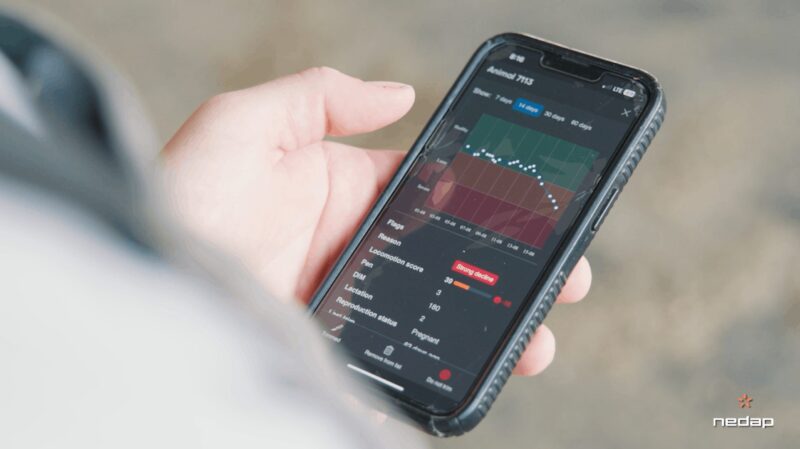
Before adopting the Nedap SmartSight solution, lameness detection relied heavily on manual reporting and irregular observations. The system in place depended on cow movers delivering lists of affected animals, but it lacked consistency and timeliness. Johannes explains the limitations clearly:
“The old way was the cow movers bringing lame cows to us on a list and it was sporadic, very inconsistent and now we have this daily report and it’s been very reliable.”
This shift from sporadic reporting to structured daily insights marked a turning point for herd management. Instead of reacting to problems after they escalated, the farm began identifying issues earlier and more systematically on cows that would not yet be visibly lame to the human eye.
The introduction of Nedap SmartSight came through a trusted industry contact. Johannes recalls how the transition began:
“Amy Benton from Speciality Herd Solutions introduced us to SmartSight and I told her, bring it on.”
That openness to innovation quickly translated into real operational change. SmartSight enabled continuous monitoring and provided actionable daily reports, replacing guesswork with consistent data. For a large-scale dairy operation, this meant better visibility into cow mobility and health trends across the herd.
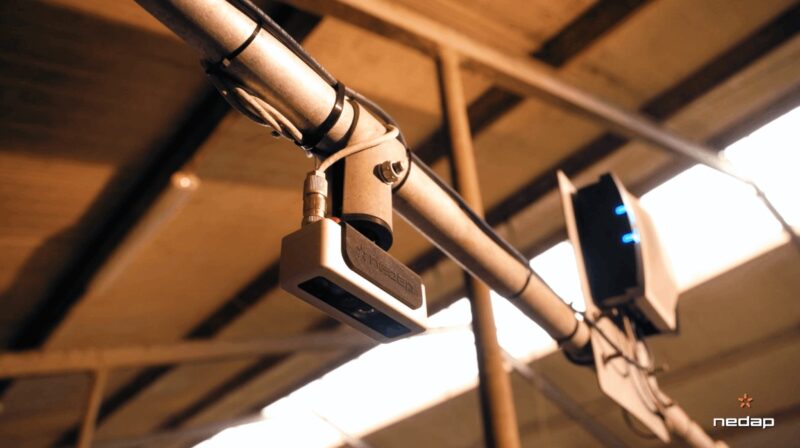
One of the most immediate outcomes was the reduction in the number of severely lame cows requiring intervention. What once was a large, fluctuating list became a much smaller, more manageable group. Johannes notes the difference:
“And the list has been shrinking. We might have had 30 cows at one time and now we’re just down to a handful every trim. So it’s already made a big improvement.”
This reduction is not just operationally significant—it also supports the farm’s broader welfare goals. Early detection helps prevent escalation of injuries and improves recovery outcomes across the herd.
Beyond daily efficiency, the long-term objective is clear: preventing severe cases that compromise animal recovery. Johannes emphasizes the welfare-driven mission behind the investment:
“The end goal is to not lose cows to severe lameness and severe injuries that they can’t recuperate from.”
At the same time, the business case is equally compelling. The system’s value is quickly realized through avoided losses:
“We’re figuring if we save one cow, the system pays for itself. So we’ve saved more than that one already on a monthly basis of course. We’re totally in. We’re very happy with the system.”
For Wakker Dairy, Nedap SmartSight has become more than a monitoring tool, it is a foundational part of herd health strategy. By combining engineering curiosity with advanced sensing technology, Johannes Wakker has created a more proactive, reliable, and welfare-focused approach to dairy farming at scale.
Smartsight has allowed Wakker Dairy to make the shift from sporadic reporting to structured daily insights
SmartSight has allowed Wakker Dairy to identify lameness problems before they escalated and on cows that would not yet be visibly lame to the human eye
Since introducing SmartSight the amount of severely lame cows has gone down from a list of 30 to a handful every trim


