
Sean Cleere
County Tipperary, Ireland
‘I couldn’t work without CowControl,’ says Sean. ‘It’s an essential part of how we work on the farm. Our lives are easier because of it.’
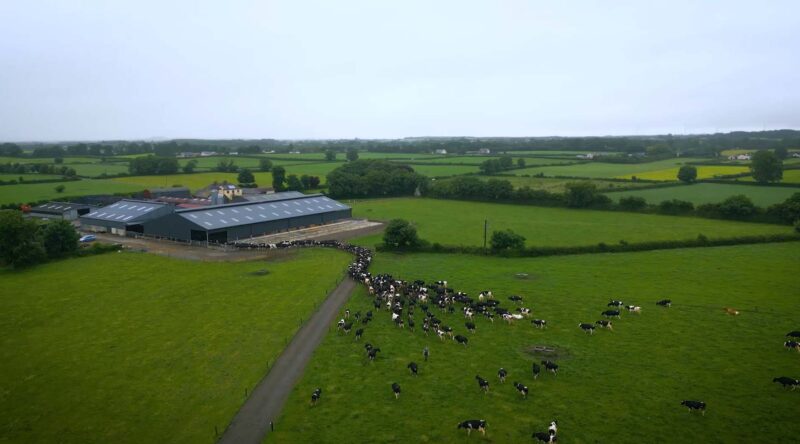
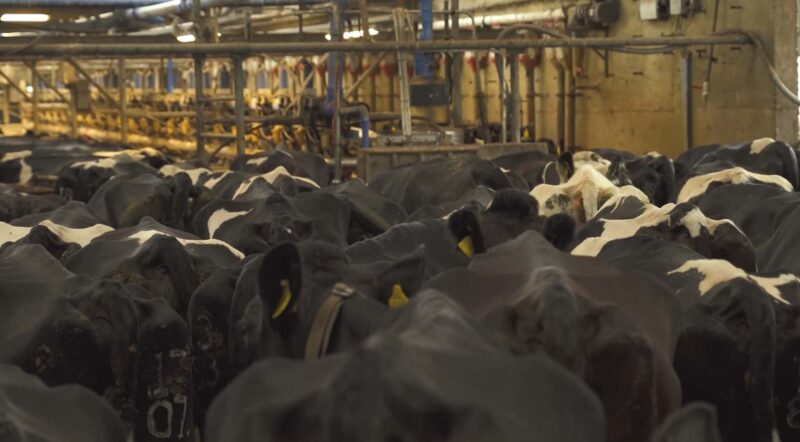
Sean and Joanne Cleere farm with their family in Templetuohy, Co. Tipperary. Milking 260 cows and calving the herd over 10 weeks, they felt heat detection wasn’t up to scratch on the farm.
‘Because we calve over 10 weeks, we were going straight from calving to breeding without a break. We used tail paint, and we’d watch for cows bulling at milking time, but we knew we were missing cows,’ explains Sean. ‘As cow numbers increased, heat detection was taking more and more time and labour, and we weren’t getting the results we needed.’
‘As well, before we installed CowControl,’ adds Joanne, ‘we were using stock bulls after the first three weeks of breeding. We wanted to get away from using bulls from a safety point of view, and because we wanted to be able to breed better stock. We wouldn’t have been confident using AI across the whole herd without a heat detection system, so that’s what made us start to research activity monitors.’
‘The bulls were a disaster,’ continues Sean, ‘we had at least four, and there was nearly always one lame, or hurt. There was a big cost associated with them.’
The Cleeres began to investigate activity monitoring systems, and their AI technician recommended CowControl powered by Nedap. Nedap CowControl has been monitoring dairy animals for over 40 years. Using the latest technology, cows are monitored 24/7. Data from the SmartTag neck collars can be accessed via a phone, laptop, or tablet, always giving farmers full visibility of their herd.
‘Our AI man had seen CowControl in action on another farm and was really impressed with it,’ says Joanne. ‘We saw how well it was working on a few other farms and decided to take the plunge.’
Sean and Joanne installed CowControl in 2020, and quickly got to grips with the system. After having the system for four breeding seasons, they are happy with their decision on implementing it.
‘Once we got used to it, we embraced it fully, and now we rely on it 100% for heat detection,’ comments Sean. ‘It’s so simple to use we don’t realise we have it anymore. We look at the app in the morning, and any cows on heat are there, or any cows with health issues. It’s just simple.’
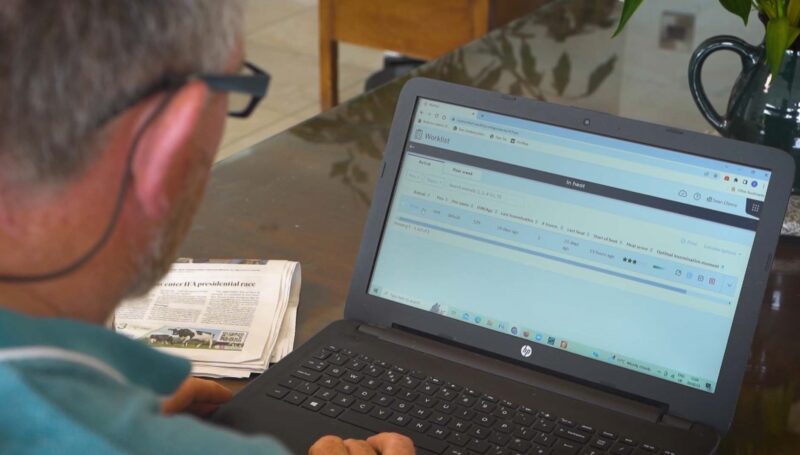
‘The Optimal Time of Insemination is a great feature. Before CowControl, you’d have cows that maybe had their paint rubbed off and when you’d go to serve her you weren’t sure if she’d been on heat, so you could end up serving her twice. We’re far more confident now because we have the data from CowControl, and when you go to serve a cow that’s had a heat alert, you’re sure she’s been on heat.’
In 2022, Nedap released Nedap Now, a new system which allows for greater integration with other farm technologies. Nedap Now integrates with ICBF, which allows data to be shared between both systems.
‘It’s a big advantage that information like calving dates and service information automatically moves between the two systems. We use HerdApp, and any info we input there automatically gets sent to ICBF and CowControl. The reports and the integration through Nedap Now is brilliant. Before we start breeding, we get the report from CowControl of any cow that hasn’t cycled since she calved. Before, we didn’t do any checks pre-breeding, so you were three or four weeks in before you realised you had a problem with some cows,’ expands Sean. ‘Now, a cow with an issue has seen the vet and is back on track before we’re into breeding. That’s a huge saving.’
‘Either way, CowControl alerts to every cow. If she comes on heat, great, we get an alert and we serve her. If she doesn’t come bulling, she’ll appear on a report saying she’s not cycling, and we can do our best to fix that,’ says Sean. ‘We’ve improved our 21-day submission rate from 15% in 2019, to 89% now, and for us that’s a great improvement. Before CowControl, our empty rate could have been as high as 30% some years, due to problems with the bulls. Now. We’re averaging around 12% empty.’
‘We started using more sexed semen as well,’ says Joanne. ‘When you have the time since her heat started, you can serve her 14-22 hours after that. We used sexed semen on the cows we want replacements from in the first three weeks of breeding. With CowControl, we’re able to say that we’re giving the sexed semen the best opportunity to work. If CowControl tells us that she’s gone passed the window for sexed, we use conventional, so we’re not wasting expensive straws.’
Another element of the switch to 100% AI is the fact that the Cleeres can now use higher genetic merit beef sires on the cows that they don’t wish to breed from.
‘Our herd has a more British Friesian type cow, and when you can use the best beef bulls out there on that type of cow, you get a far more saleable calf than we were getting when we were using stock bulls. If you’ve a better calf, you get a better price when it comes to selling them,’ comments Sean.
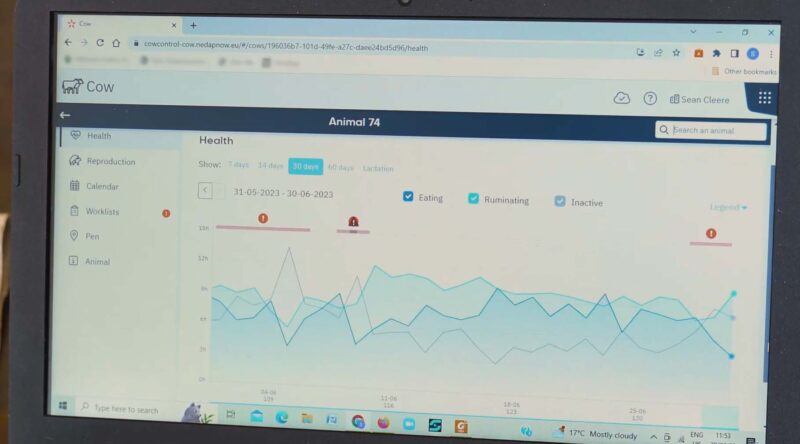
As well as heat detection, Nedap CowControl provides farmers with information on their herd’s health status and rumination activity. Sean and Joanne find this data beneficial when monitoring the herd at critical periods of their lactation.
‘The health alerts give a great piece of mind with the fresh cows. As soon as we see an issue, be it ketosis or milk fever or whatever, we’re able to treat that cow far quicker. We can use less invasive drugs; we’re not having to use the strongest or most expensive antibiotics, or we can use an anti-inflammatory because we’re dealing with the problem before it develops into something more serious,’ explains Joanne.
‘It’s often alerted us to a cow with an LDA. You might look at her and think she’s a bit empty looking, but then you check CowControl and you see she has a health alert, and her rumination crashed 12 hours ago. You’re finding all these issues quicker, and the cow recovers quicker as a result,’ adds Sean.
CowControl is saving us so much; we’re saving time, we’re saving labour, we’re breeding a better replacement, we’re saving on antibiotics; it’s giving us peace of mind too,’ says Joanne. ‘Realistically, when you take all that into consideration, it’s definitely paid for itself in two or three years.’
‘I’d have no hesitation at all in recommending it to other farmers, I think it’s invaluable!’ laughs Sean. I would say though that it’s better if you put it in well ahead of calving. That way you’re getting the benefit of the health alerts in transition, and you’ve a bit of time to get used to the data from the system before you’re into the thick of breeding.’
Monitoring of the cows
The 21-day submission rate has been improved from 15% – 89%


